Hernán had spent three years discussing artificial intelligence in management meetings—presentations, pilots, demos. But when his logistics company finally decided to implement an AI model to optimize routes and manage inventory in real time, an unexpected issue appeared on the radar: no one had considered cybersecurity.
Four months after launch, customer data—including routes, volumes, and contracts—had been accessed by an unauthorized third party. The AI model itself worked perfectly. The problem was everything around it.
Hernán’s story is not an isolated case. Today, it is an increasingly common pattern we see at Multisoftware Defense when supporting companies through digital transformation.
What does this mean for your company? Every time you implement an AI solution without a solid strategy for information security and data privacy, you are building on unstable ground.
One in five companies has already unintentionally exposed sensitive corporate data through employee use of generative AI tools. It was not always a sophisticated hacker—often it was a well-intentioned employee who did not realize what they were sharing.
The new battlefield: your data, your cloud, your models
Artificial intelligence has become a threat multiplier, enabling more sophisticated, faster-moving, and harder-to-detect attacks in highly connected corporate environments.
The three most critical risk vectors today:
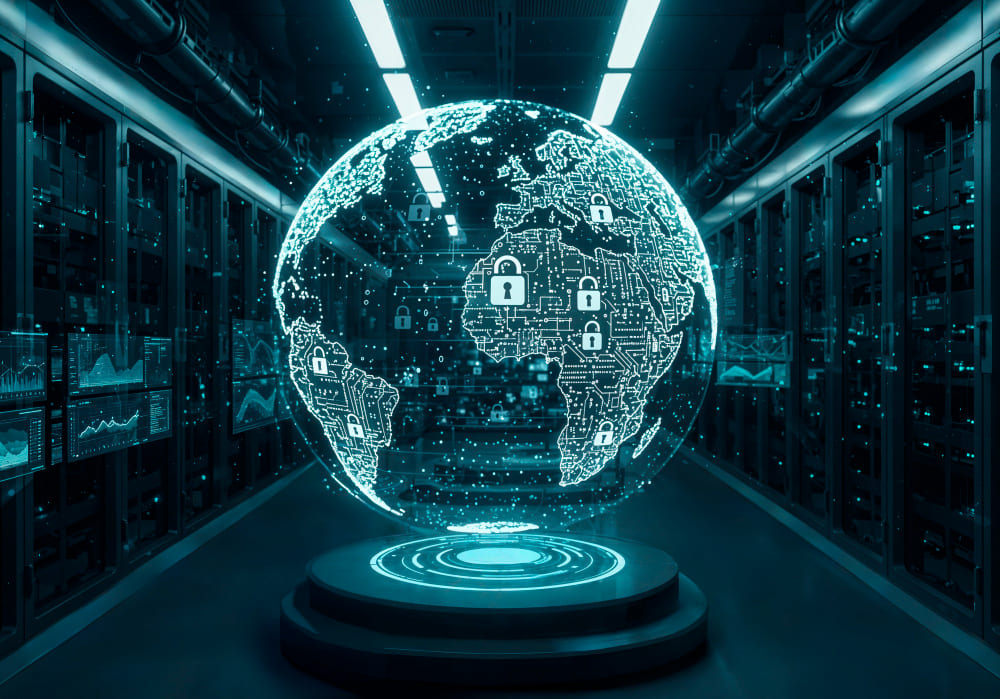
- Cloud Security. AI models operate and train within cloud infrastructures that, if improperly configured, can expose critical data. Whether deploying AI platforms locally or in the cloud, robust controls are essential to prevent personal, confidential, or proprietary data leaks.
- Information Management and Data Governance. Processes, critical data, and strategic assets should never be automated or processed by AI without prior impact assessments, strong technical controls, regular audits, and human oversight.
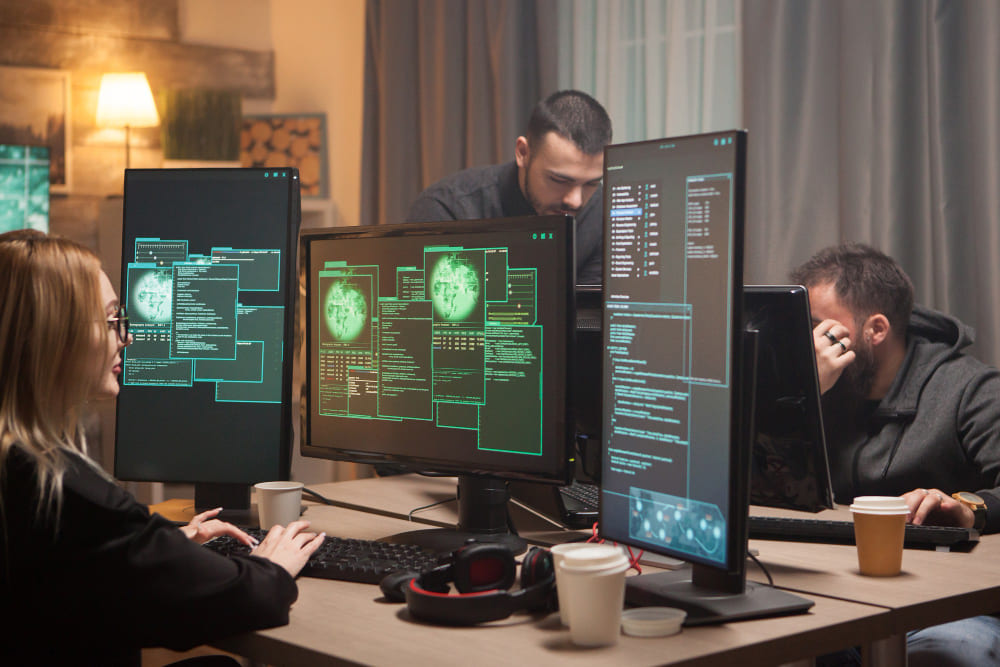
- Attacks Targeting the Models Themselves. Cybercriminals are using AI to develop adaptive malware capable of dynamically bypassing detection mechanisms, as well as hyper-personalized phishing campaigns powered by highly convincing deepfakes.
How did we help companies like Hernán’s?
When the Multisoftware Defense team began working with Hernán’s company, the first thing we did was not install antivirus software.
We listened, mapped, and understood:
- Where does critical information reside?
- Who accesses it?
- What data flows feed the AI model?
From that diagnosis, we implemented a tailored consulting framework that included:
- Data governance audits to identify real exposure points before scaling the AI project
- Cloud security architecture with granular access policies and continuous monitoring
- SOC (Security Operations Center) implementation with 24/7 monitoring of data flows and real-time anomaly response
- Privacy and regulatory compliance consulting to ensure customer data usage aligned with applicable regulations
The result:
Hernán relaunched his AI project six months later with full visibility into his environment, confidence in his data, and no operational interruptions.
Today, his model processes more than 40,000 routes per month—and he sleeps peacefully.
The Security Technologies That Make Responsible AI Possible
Cybersecurity solutions for AI environments include:
- Real-time anomalous behavior detection systems
- SIEM platforms with intelligent event correlation
- SOAR technologies for automated security incident response
At Multisoftware Defense, we combine these technologies with something no tool can replace: human expertise.
Expert judgment is essential to making context-aware decisions, adapting security strategies to each industry, and anticipating risks before they materialize.
The goal is to move from reactive defenses to proactive strategies that leverage AI, automation, and intelligent security posture management.
Before implementing AI, ask yourself: Am I secure?
Artificial intelligence can transform your business. It can make you more efficient, profitable, and competitive.
But without a strong foundation of cybersecurity, privacy, and information governance, it can also become your greatest vulnerability.
At Multisoftware Defense, we have spent years helping companies implement AI projects with real security and peace of mind—not as a last-minute add-on, but as the foundation from day one.